

technology
The payment blockchain under XyncPay
One L1 for three actions — send, request, exchange. Irreversible finality in about 0.3 seconds, 0% fee on the free lane, and a node light enough to live in a phone.
Lines
Figure
Figure
Figure
Figure

Two lanes: a fastpath for money, a lazy DAG for the rest

A payment is a promise between one sender and one recipient — it needs no global vote. Xync finalizes it the FastPay way: the moment 2f+1 validators sign the transfer it becomes irreversible, in about one network round-trip (~0.3 s). Consensus is off the critical path, so latency does not grow with load.

Everything many parties share — checkpoints, the validator set, currency exchange — is ordered in the background by a lazy Mysticeti-lite DAG (~1–2 s). Fast where speed matters, agreed where agreement matters.
Technology

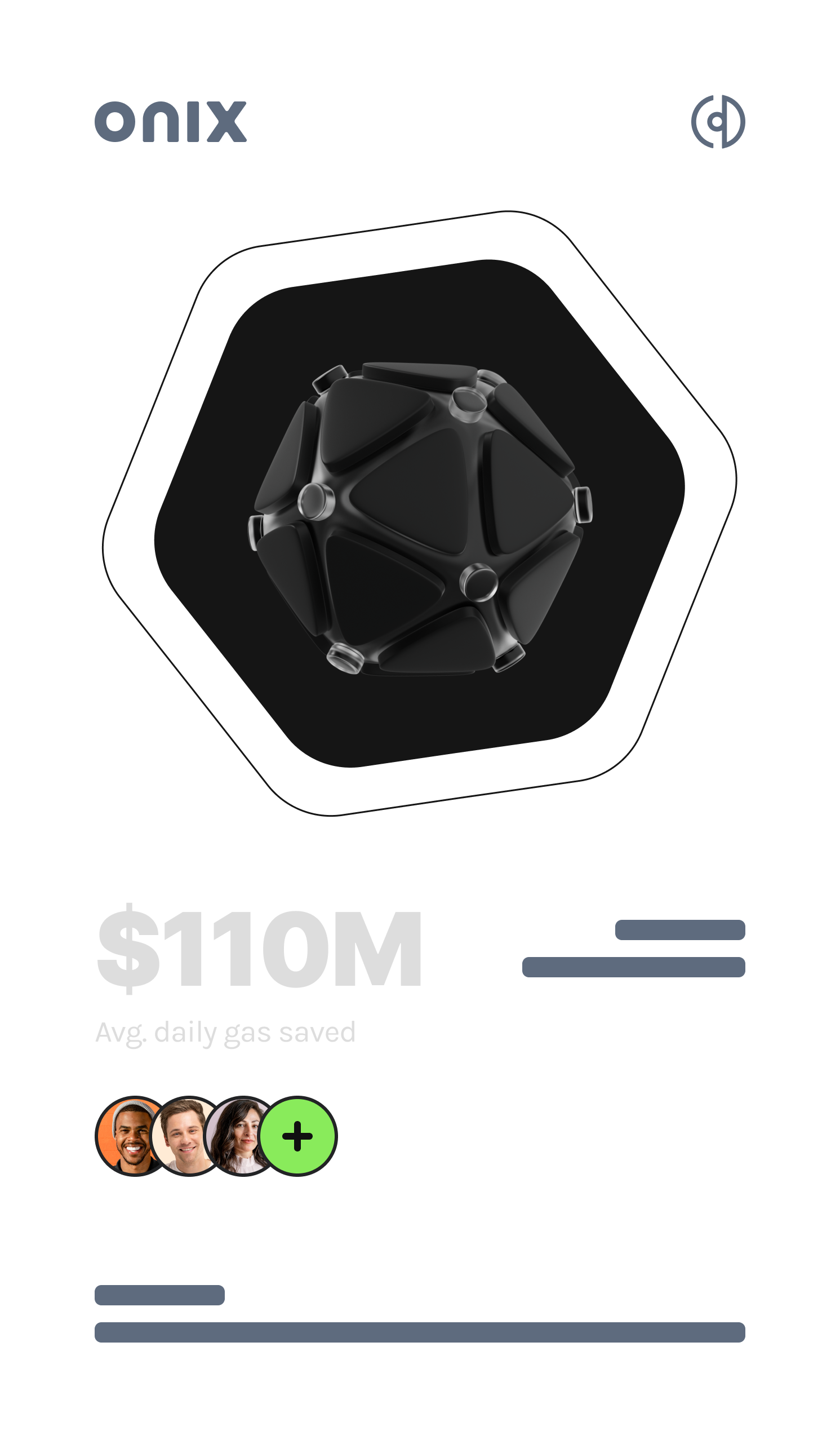
80 bytes on the wire, history without the weight

A whole transfer is a 16-byte identifier plus an ed25519 signature — 80 bytes on the wire. The ledger keeps checkpoints, not an endless log: a new node starts from a snapshot and a short tail, not from genesis. An idle network costs zero bytes — there are no empty blocks.

  • Security is BFT quorums plus fraud proofs, not trust
  • A double-spend attempt bans the sender, slashes the stake and rewards whoever caught it
  • Download the chain and verify every balance yourself
Technology
Figure
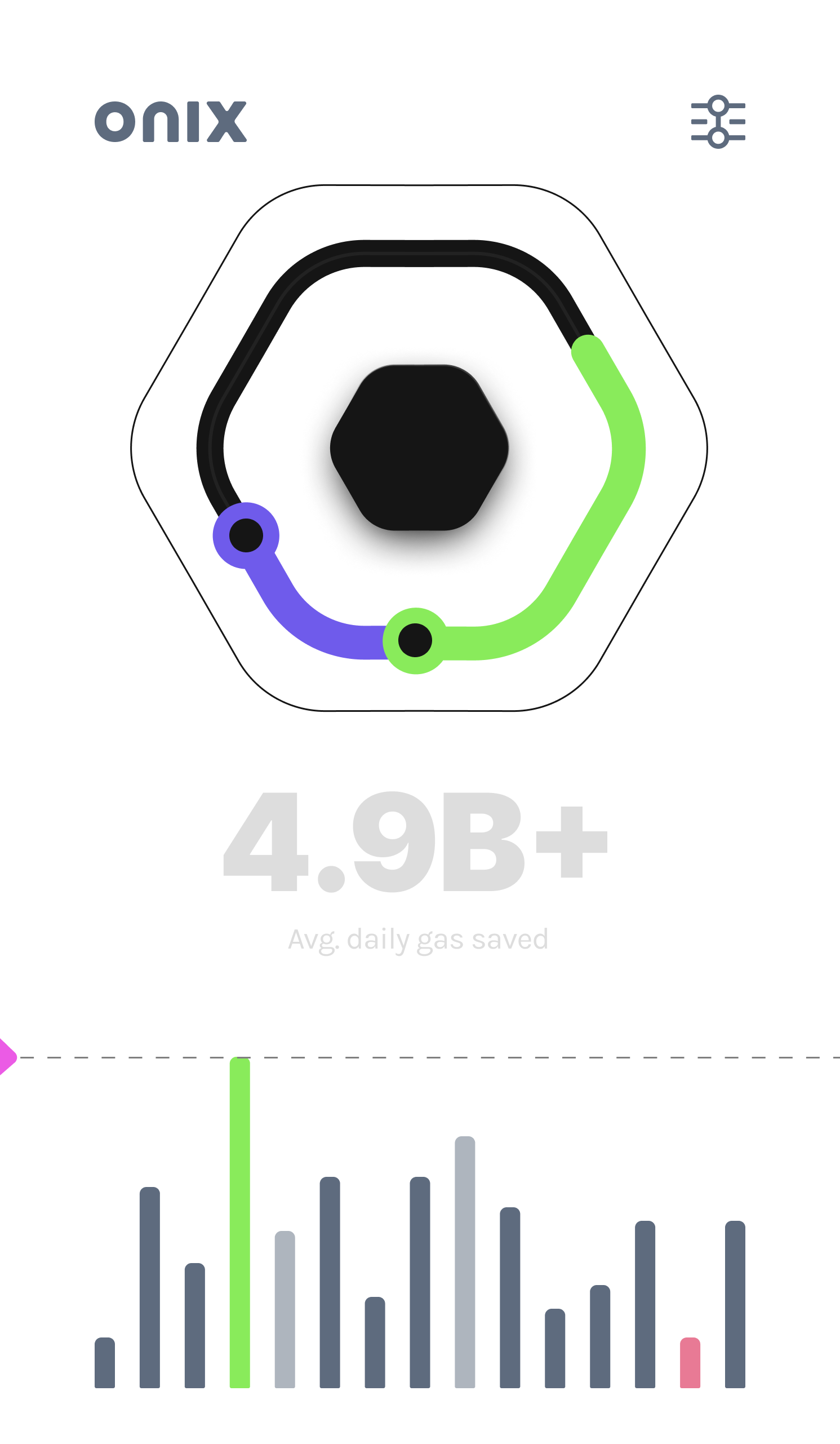
Numbers that are protocol, not marketing
These don't move with the ad budget — they're properties of the network itself.
~0.3 s
to final, irreversible settlement — about one network round-trip.
80 bytes
a signed transfer on the wire; the whole payment fits in a UUID.
0%
fee on the free lane — the only cost is your bank's own transfer fee.
Exchange, offline, and a guarantor who holds nothing
The payment layer is only the floor. The same primitives give currency exchange, offline payments and a free escrow.
01
Exchange up to 255 currencies — atomic swaps, liquidity pools that clear a whole batch at a single price, and fiat staking. Payments work with no internet too: two phones exchange signed QR codes offline.
02
A pool of three — buyer, seller, guarantor — turns any two signatures into a majority. The guarantor freezes no money and can't steal alone: he'd need a second signature from the very party he set out to rob. Classic escrow charges 1–5% to hold your money; here no one holds it.
Figure
Read the papers
Every decision, weighed against the alternatives — in plain words and in full technical detail.
White Paper
Goal, relevance, uniqueness and advantages — no formulas, for anyone who wants the whole idea.
Yellow Paper
The full technical specification: consensus, transaction format, exchange, tokenomics, migration.
Your questions, answered
Do I need an account on a P2P exchange?
No. Xync Pay handles all interactions with P2P platforms on its own. You just specify the amount and direction of the transfer — the system finds the best offer and executes the trade through Xync agents.
What is the commission?
Xync charges 0% on the free lane. The only possible fee is the external payment system's own commission (for example, a bank transfer fee), which is always known in advance.
How fast is it?
A payment inside the network is final in about 0.3 seconds — the time it takes 2f+1 validators to sign it, roughly one network round-trip. A cross-border transfer through an external payment system takes about a minute on average.
Is it safe?
Every transfer is a cryptographically signed record on the Xync Network L1. Finality rests on BFT quorums, not trust; a double-spend attempt is caught by fraud proofs, which ban the sender, slash their stake and reward whoever caught it. External P2P deals also go through the exchange's escrow.
What currencies are supported?
145+ fiat currencies through 1500+ payment systems in 196 countries, plus 23+ cryptocurrencies. Inside the network up to 255 currencies are exchanged directly — atomic swaps, liquidity pools and fiat staking.
Does it work offline?
Yes. Two phones exchange signed QR codes with no internet — each device stores a private key and the server's public key, so a signature can be verified without a connection. Going online is only needed to open and to close the deal.
Can Xync be a free escrow agent?
Yes. Open a pool of three — buyer, seller and a guarantor — where any two signatures are a majority. The buyer freezes the price, the seller freezes a bond, the guarantor freezes nothing. An honest deal is signed by the two sides alone; in a dispute the guarantor signs with whoever is right. The guarantor can never steal alone — he'd need a second signature from the very party he set out to rob, and the money stays locked in L1, not in his hands.
Get alerts on the best exchange rates and hot P2P deals
Learn how it works and how to get the best rate: how it works.
JOIN THE COMMUNITY
Figure
Figure
Figure
Figure
Figure
Figure